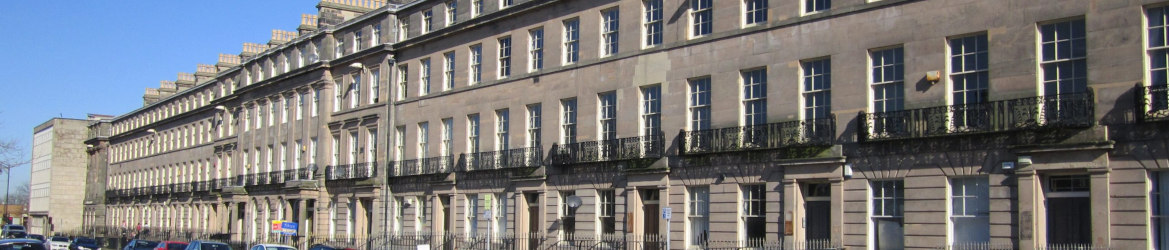
Why Important
With a heritage building, first impressions matter. Even small signs of inappropriate style or material stands out, and can suggest that unsympathetic changes have made which can devalue the whole property.
What to look for
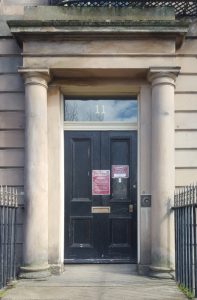 These are usually fitted on or recessed into the stone at the side of the door, the pull knob being mounted on a flat brass backplate or recessed into a cup- shaped backplate. Wires running in conduits built into the internal plaster with cranked junctions operate the bell.
A metal plunger operated by foot may be found on the third step down below pavement level. Some houses were also provided with bell pulls beside the garden gate.
When to look
When the initial detailed survey is undertaken. Collect photographs of the existing situation.
Undertake annual inspections or when the building has a change of use/occupancy.
How to fix
It is still possible to have the bell-wire system repaired or renovated, but where an electrical system is preferred, the original manually operated pull can be retained and converted to operate a switch.
Very often bell pull knobs have been replaced by bell pushes, retaining the backplate. A similar system of wires and levers was used to open gates for access to basement areas.
Avoiding creating problems
Care should be taken not to damage the zinc conduit during any re-plastering works, and it is important to avoid exposed wiring and cranks becoming paint-bound during the redecoration of common stairs.
Historical background
A bell push was indicative of a higher status owner or business, using electricity. Builders & Architect Catalogues were often used to select finishes and styles for the original building. The Wirral Archives may be good places to research what was available at the time.
