Why Important
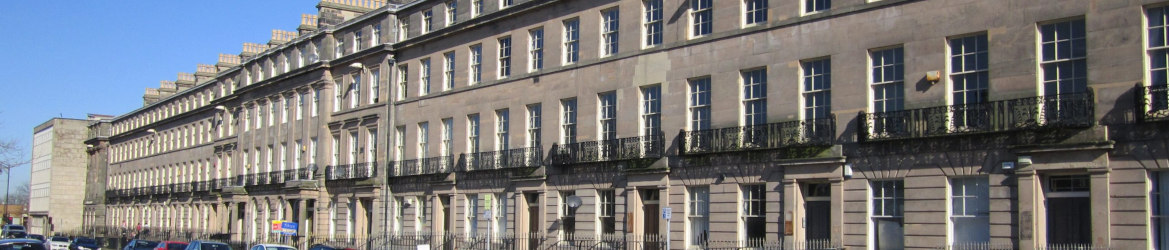
With a heritage building, first impressions matter. Even small signs of inappropriate style or material stands out, and can suggest that unsympathetic changes have made which can devalue the whole property.
What to look for
Original butt hinges are distinguishable from their modern counterparts because they are generally larger with fewer knuckles per hinge.
Main doors and internal doors to rooms (about 50 mm thick) were usually hung on a pair of five- knuckle steel butt hinges.
Lighter doors (about 32 mm thick) for cupboards or water closets were hung on a pair of three- knuckle steel butt hinges.
When to look
When the initial detailed survey is undertaken. Collect photographs of the existing situation.
Undertake annual inspections or when the building has a change of use/occupancy.
How to fix
Ensure that you use brass screws rather than steel.
Avoiding creating problems
Avoid using cross-head screws (‘Philip’ screws), as they are inappropriate for heritage buildings, as they did not appear until John P. Thompson patented the first recessed cruciform screw in 1932.
Historical background
The external common stair door was usually self-closing, with a pin and offset crank hinge, while crook and band hinges of wrought iron were common on heavy outward-opening external and cellar doors.
