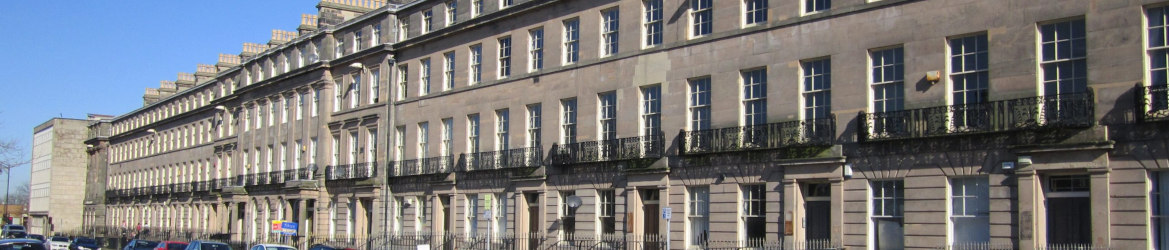
Why Important
The fireplace, burning wood or coal, was the focal point of the Period room and the only source of heat. Elegance and refinement are evident in the designs of many late Georgian mantelpieces in the Hamilton Square properties, their size and enrichment varying with the importance and function of the room.
What to look for
The fireplace was found within a chimney breast, which jutted into the room, or occupied a corner of the room, appearing as a triangular wall.
In many heritage buildings, the original fireplace has been removed, and the wall ‘patched’ to hide the remaining chimney vent. To prevent dampness, such chimney breast should have a small vent at the base where the fireplace would have been.
As interior design fashions changed, fireplaces were often replaced with the more ‘modern design’ which means that were smaller. Thus, the original fireplace opening would be larger, and infilled to suit the ‘newer’ smaller design.
When to look
When the initial detailed survey is undertaken. Collect photographs of the existing situation.
Undertake annual inspections or when the building has a change of use/occupancy. There have been instances of existing fireplaces being removed by tenants, without the permission or knowledge of the building owner.
How to fix
See the links for more details.
Avoiding creating problems
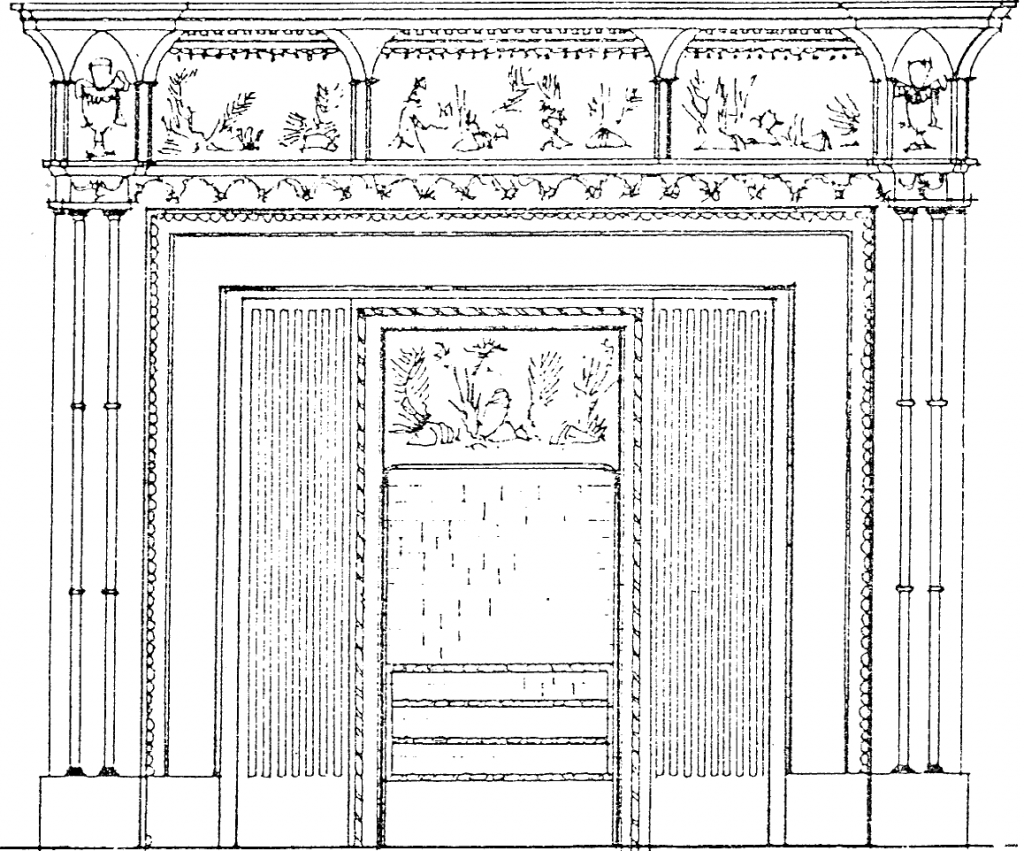 Each Period had a distinctive Fireplace Surround Style, so select the Period and then choose from that range, so that the historic home can be restored correctly.
Historical background
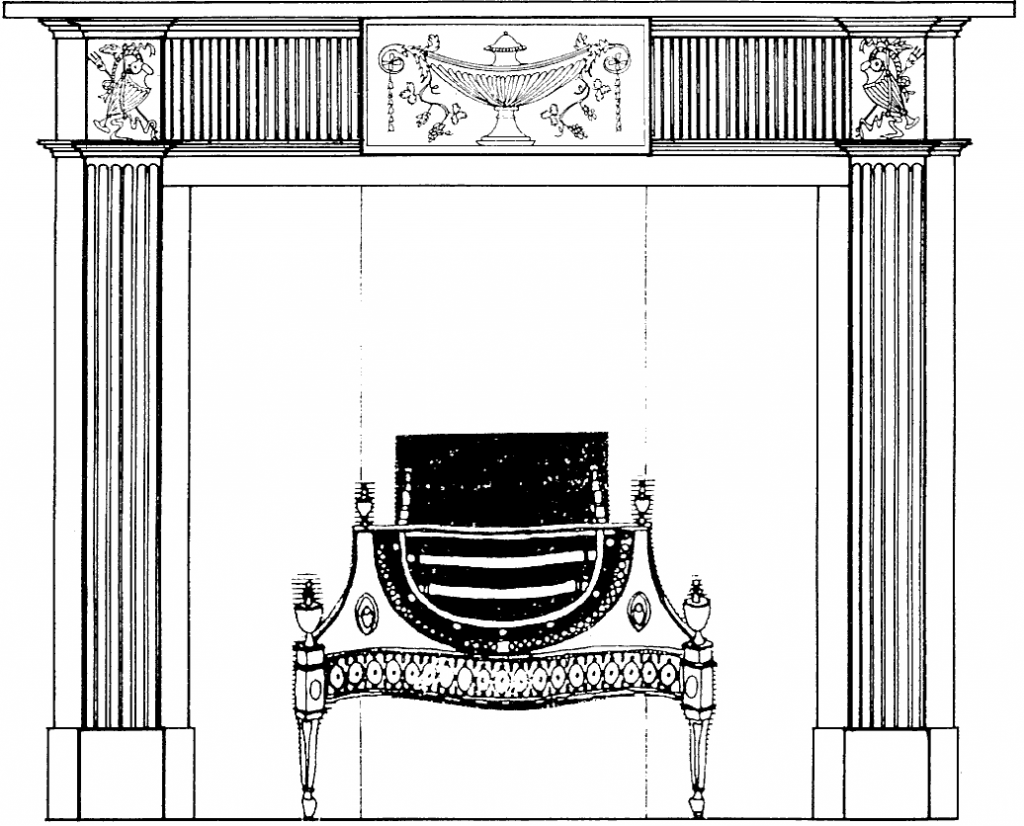 Robert Adam designs were specially desired by wealthy house owners, and Adam designed over five hundred fireplaces, each with standard components of side style, frieze and central tablet, decorated with his characteristically spidery, low-relief trails or festoons, using classical motifs such as paterae, scrolls, foliage, rams’ heads, sphinx, urns, vases, candelabra and mythological figures. His influence can be clearly seen in Edinburgh.
