
All-in-one Fireplace
The all-in-one register-grate, with a device for regulating draught flow, became popular during the 19th century.
What to look for
The register-grate completely filled the fireplace opening and its cast-iron or bright-steel structure often formed the throating’ as well as the firebasket.

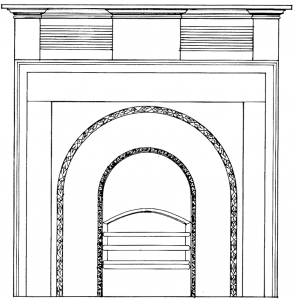 Nineteenth-century fireplaces often had decorative cast-iron arches, black-leaded and polished daily. There are numerous examples of Victorian grates in Birkenhead Historic Homes.
When to look
When the initial detailed survey is undertaken. Collect photographs of the existing situation.
Undertake annual inspections or when the building has a change of use/occupancy.
How to fix
Both kitchen ranges and register-grates had ornamental features or moulded edges in ‘brightwork’, polished with abrasives, such as sand, emery cloth or steel wool, to catch the light from the fire.
Avoiding creating problems
If you want to use, ensure that the flue is clear. Beware of sparks and hot coals falling out and causing damaging fires.
Historical background
These, generally smaller, fireplaces were manufactured for use in smaller rooms (small bedrooms) and for servant rooms, and other practical working places. The more ornate were for ‘better rooms’ or higher status working people. Very often they were replaced by 1930’s art-deco tile fireplaces, in homes originally built before 1919, to ‘modernise’ the terraced family home.
