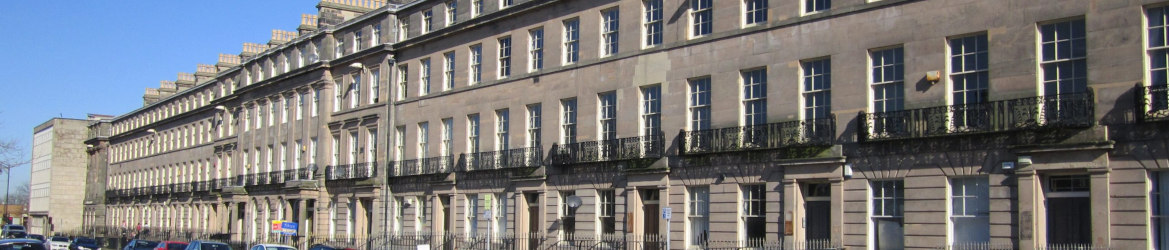
Why Important Common roofing issues Slate Roofing Plain Tiles and Pantiles (cladding with tiles) Flashing Cornices Gutters Dormers Cupolas Rooflights Chimneys Balustrades and Parapet Walls Historical Background
Category: Heritage Guide
The Heritage Homes Guide
Edwardian Roof issues
Slate Roofing explanation explanation explanation explanation explanation explanation explanation explanation explanation explanation explanation see more Plain Tiles and Pantiles (cladding with tiles) explanationexplanation explanation explanation explanation explanation explanation explanation explanation explanation explanation explanation see more Flashing explanationexplanation explanation explanation explanation explanation explanation explanation explanation explanation explanation explanation see more Cornices explantionexplanation explanation explanation explanation explanation explanation explanation explanation …
Downpipes
Why Important If pipework becomes blocked, water cannot flow away and will back up, and run down the face of the building washing out pointing or eroding stonework, or may find its way into the building. What to look for The rear elevations in the Georgian Quarter generally have plain half-round, double beaded cast iron …
Down pipes, gutters and other rain water goods
Why Important This guide will cover the importance of monitoring, what to look for and when, how to repair, and what to avoid (to prevent long-term problems). What to look for Often wall staining is the most obvious visual sign of gutter and pipe failures. Downpipes can become dislodged or broken, or the out flow …
Dormers
Why Important Dormers may be part of the original roof design giving daylight to accommodation in the roof space, and are often decorative. Dormers are also exposed to extremes of weather. They are often physically and visually inaccessible and as a result suffer from a lack of maintenance, which often leads to water penetration problems. …
Doors
External Doors Wood is a natural material and its quality and performance can vary enormously. Generally, all wood used externally will be attacked by ultra- violet rays from sunlight and this will breakdown and kill the surface layer of the wood. To prevent this, the wood is treated with an oil, varnished or painted. Unfortunately …
Door Numerals for Front Doors
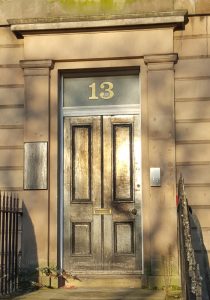
Why Important Maintaining the character of the period building very important for the unity of street in a conservation area and on listed buildings. The most understandably visible and often the simplest renovation is using the appropriate number font at the front of the period property. Even though a commercial business may change, to ensure …
Door Closers
Why Important Door closers are required by Wirral Council on new and upgraded fire and smoke-check doors. What to look for Check the planning approvals for the heritage building to identify which doors were expected to be ‘fire doors’. Depending on the expected use to the heritage building, occupancy, and Planning Conditions/Building Regulation Approvals, door …
Data Sheets
The pages listed below give advice on dealing with various parts of the property in line with their listed building status. Along with each data sheet you will find, where possilbe, links to the resources you might need when carryoing out works. Steps,-Platts-and-Arches Ironmongery Solving Rising Damp Problems Solving Condensation Problems
Dampness
Why Important Moisture is always present in buildings, and certain levels of natural moisture are necessary to keep the building fabric in a stable condition. The moisture content varies widely with the type of material, ranging from 1 per cent for plaster to 20 per cent for timber. The term ‘dampness’ is reserved for conditions …
