Slate Roofing explanation explanation explanation explanation explanation explanation explanation explanation explanation explanation explanation see more Plain Tiles and Pantiles (cladding with tiles) explanationexplanation explanation explanation explanation explanation explanation explanation explanation explanation explanation explanation see more Flashing explanationexplanation explanation explanation explanation explanation explanation explanation explanation explanation explanation explanation see more Cornices explantionexplanation explanation explanation explanation explanation explanation explanation explanation …
Category: Heritage Guide
The Heritage Homes Guide
Flashing on Georgian buildings
Why Important Prior to the 19th Century, lead was rare and prohibitively expensive, therefore Lime mortar fillets were used to protect the junction between the roof and the wall. What to look for Mortar fillets can absorb water, and a small amount of dampness in the wall at this junction is likely, but in a …
General roofing issues
Why important How to inspect What to look for * [[Identifying your Roofing Material]] * [[How to fix any roof]] * [[Flashing|Flashing]] What NOT to do * Mixing materials
General considerations for all period metal work
Why Important The appearance of a period property is enhanced by the correct use of appropriate metalwork, and can add value to the property. Poor metalwork does the opposite. What to look for
Flat Bitumen (20th Century) [Not Period Houses]
Why Important This material is not suitable for Period Houses (built before 1960) and was usually used as a repair. They should be removed and the appropriate period roofing material used. What to look for Usually black tar-like rough material, which is softer than slate. When to look How to fix Preferably it is best …
Flashing
Why important Flashing describes the material used to form the watertight junction between two different materials. For example at the junction between a slate roof and a stone gable wall, or at the change of plane of a roof at a ridge, hip or valley. These junctions are often where roofs fail and water gets …
Fireplaces
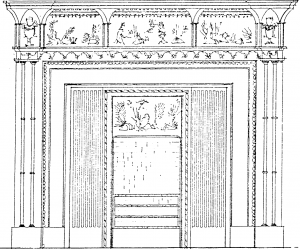
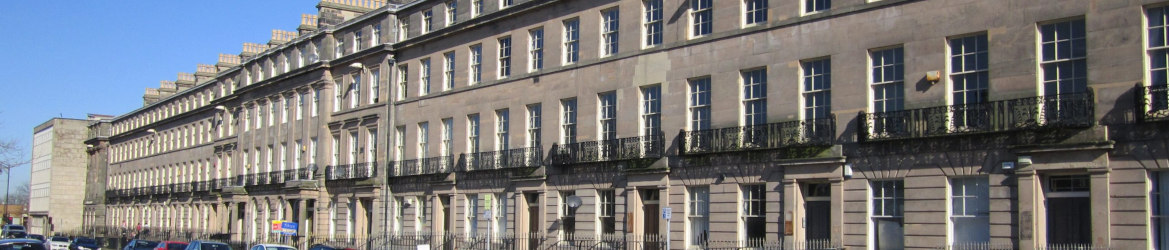
Why Important The fireplace, burning wood or coal, was the focal point of the Period room and the only source of heat. Elegance and refinement are evident in the designs of many late Georgian mantelpieces in the Hamilton Square properties, their size and enrichment varying with the importance and function of the room. What to …
Finger-plates and Kicker-plates
Why Important With a heritage building, first impressions matter. Even small signs of inappropriate style or material stands out, and can suggest that unsympathetic changes have made which can devalue the whole property. What to look for It is thought that finger-plates were not used originally, but they have often been added at a later …
External Handles and Knobs
Why Important With a heritage building, first impressions matter. Even small signs of inappropriate style or material stands out, and can suggest that unsympathetic changes have made which can devalue the whole property. What to look for Although there are several designs of door handle used in 19th century, there is a common design. This …
Entryphones
Why Important Increasingly, electric entryphone systems are being installed at the common entrance doors of flatted properties. However, with a heritage building, first impressions matter. Even small signs of inappropriate style or material stands out, and can suggest that unsympathetic changes have made which can devalue the whole property. What to look for In a …
